Quality control plays a critical role in the agricultural supply chain, influencing everything from farm productivity to international trade success. In today’s competitive market, maintaining consistent quality is no longer optional—it is essential. For businesses dealing with agricultural products, such as rice mills, exporters, and food processors, strong quality control systems directly impact reputation, profitability, and customer trust.
This article explores how quality control affects agricultural product supply, why it matters, and how businesses can implement effective strategies to maintain high standards.
What is Quality Control in Agriculture?
Quality control in agriculture refers to the processes and practices used to ensure that agricultural products meet specific standards before they reach the market. These standards may relate to size, color, taste, moisture content, purity, and safety.
From the moment crops are planted to the final stage of packaging and distribution, quality control measures are applied at every step. This includes monitoring soil conditions, using proper fertilizers, managing pests, and ensuring careful harvesting and storage.
In simple terms, quality control ensures that the end product is safe, consistent, and suitable for consumption or further processing.
Importance of Quality Control in Agri Supply Chains
Agricultural supply chains are complex and involve multiple stages, including production, harvesting, processing, storage, transportation, and distribution. A failure in quality control at any stage can disrupt the entire system.
One of the most important benefits of quality control is consistency. Buyers, especially in international markets, expect uniform quality. If a supplier fails to meet these expectations, it can result in rejected shipments, financial losses, and damage to brand reputation.
Another key factor is food safety. Poor quality control can lead to contamination, which poses serious health risks to consumers. Governments and regulatory authorities have strict standards in place, and failing to meet them can lead to penalties or bans.
Impact on Production Efficiency
Quality control begins at the farm level. Farmers who follow proper guidelines for seed selection, irrigation, and pest control are more likely to produce high-quality crops.
When quality standards are maintained early, it reduces the chances of waste later in the supply chain. Crops that do not meet quality requirements are often discarded or sold at lower prices, leading to financial losses.
Efficient quality control systems also help in identifying problems quickly. For example, if a crop shows signs of disease, immediate action can be taken to prevent further damage. This improves overall productivity and ensures a steady supply of goods.
Role in Processing and Storage
After harvesting, agricultural products go through processing stages such as cleaning, grading, and packaging. Quality control at this stage ensures that only the best products move forward in the supply chain.
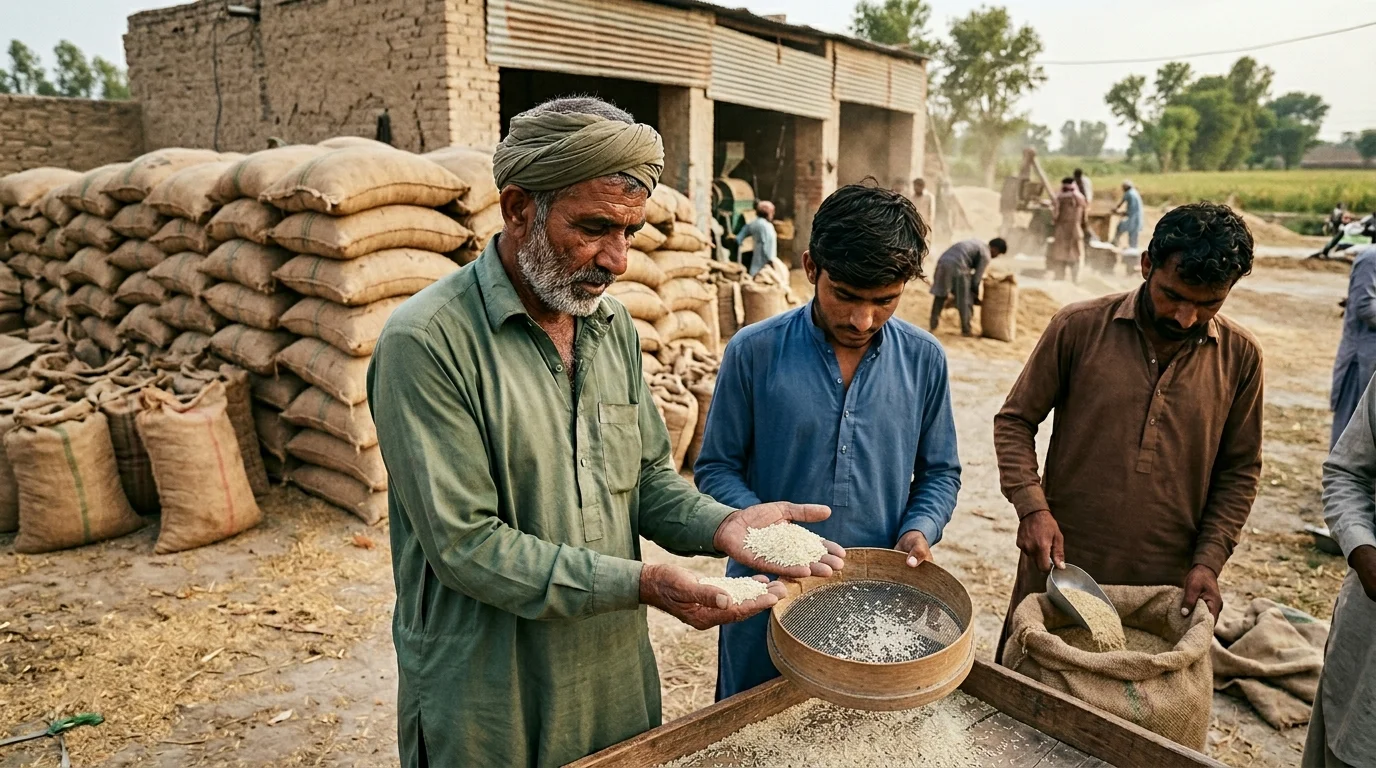
In rice milling, for example, removing broken grains, dust, and impurities is essential to maintain product quality. Proper grading ensures that customers receive rice that meets their expectations in terms of size, color, and texture.
Storage is another critical area. Poor storage conditions can lead to spoilage, pest infestation, and loss of quality. Maintaining the right temperature, humidity, and hygiene standards helps preserve the freshness and nutritional value of agricultural products.
Influence on Market Value and Pricing
Quality directly affects the market value of agricultural commodities. High-quality products command better prices, while lower-quality goods are often sold at discounted rates.
In international markets, quality standards are even stricter. Exporters must meet specific requirements related to cleanliness, packaging, and certification. Products that meet these standards can access premium markets and generate higher profits.
For businesses like rice mills, maintaining consistent quality can lead to long-term partnerships with buyers and increased demand for their products.
Impact on Supply Chain Reliability
A reliable supply chain depends heavily on consistent quality. When buyers trust a supplier’s quality standards, they are more likely to place repeat orders.
On the other hand, inconsistent quality can disrupt supply chains. If a shipment is rejected due to poor quality, it can cause delays, increase costs, and damage business relationships.
Quality control helps build trust between producers, suppliers, and buyers. It ensures that products meet agreed standards, reducing the risk of disputes and ensuring smooth operations.
Compliance with Regulations and Standards
Governments and international organizations have established strict regulations for agricultural products. These regulations are designed to ensure food safety, protect consumers, and maintain fair trade practices.
Quality control helps businesses comply with these standards. This includes testing for pesticide residues, ensuring proper labeling, and maintaining hygiene during processing.
Failure to comply with regulations can result in fines, shipment rejections, or even bans from certain markets. Therefore, quality control is essential for legal compliance and long-term business success.
Reducing Post-Harvest Losses
Post-harvest losses are a major challenge in agriculture, especially in developing countries. These losses occur due to poor handling, inadequate storage, and lack of proper quality control measures.
By implementing effective quality control practices, businesses can significantly reduce these losses. Proper packaging, transportation, and storage techniques help preserve product quality and extend shelf life.
Reducing losses not only improves profitability but also contributes to food security by ensuring that more products reach consumers.
Enhancing Brand Reputation
In today’s market, brand reputation is everything. Customers prefer products that are known for their quality and reliability.
Quality control plays a key role in building a strong brand image. When customers consistently receive high-quality products, it increases trust and loyalty.
For companies like Al Zia Rice Mills, maintaining strict quality standards can differentiate them from competitors and establish them as a trusted name in the market.
Use of Technology in Quality Control
Modern technology is transforming quality control in agriculture. Advanced tools and systems are being used to monitor and maintain quality at every stage of the supply chain.
Examples include:
- Automated sorting and grading machines
- Moisture meters for grains
- Digital tracking systems for supply chains
- Laboratory testing for quality assurance
These technologies improve accuracy, reduce human error, and ensure consistent quality. They also help businesses meet international standards more efficiently.
Challenges in Maintaining Quality Control
Despite its importance, maintaining quality control in agriculture can be challenging. Factors such as climate change, lack of infrastructure, and limited access to technology can affect quality.
Small farmers, in particular, may face difficulties in implementing advanced quality control measures due to limited resources. Training and support from government and private organizations can help address these challenges.
Another challenge is maintaining consistency across large supply chains. This requires proper coordination and communication between all stakeholders.
Conclusion
Quality control is a vital component of the agricultural supply chain. It affects production efficiency, market value, supply chain reliability, and customer satisfaction.
By implementing strong quality control practices, businesses can reduce waste, improve profitability, and build a strong reputation in the market. In a competitive global environment, maintaining high standards is essential for success.
For companies involved in agricultural products, investing in quality control is not just a necessity—it is a strategic advantage. It ensures that products meet customer expectations, comply with regulations, and contribute to a sustainable and efficient supply chain.