
In today’s highly competitive agricultural market, choosing the right commodity supplier is one of the most important decisions a business can make. Whether you are dealing in rice, grains, or other agricultural products, your supplier directly impacts your product quality, customer satisfaction, and long-term success.
For companies involved in exports and bulk supply—such as alziaricemills.com—working with a reliable commodity supplier is not just about cost; it’s about consistency, trust, and value. In this article, we will explore the key factors you should consider when selecting a dependable commodity supplier, along with practical insights to help you make the right decision.
Why Choosing the Right Supplier Matters
A commodity supplier is more than just a vendor. They are a strategic partner who influences your entire supply chain. From product quality to timely delivery, every aspect of your business depends on their reliability.
A poor supplier can lead to inconsistent quality, delayed shipments, and financial losses. On the other hand, a trusted supplier ensures smooth operations, satisfied customers, and sustainable growth.
For rice exporters and processors like alziaricemills.com, maintaining a strong supplier network is essential to meet international standards and compete in global markets.
1. Product Quality and Consistency
The first and most critical factor is product quality. A reliable supplier should consistently deliver commodities that meet your required standards.
In the rice industry, this includes:
- Grain size and uniformity
- Aroma and texture
- Moisture content
- Purity and cleanliness
Consistency is just as important as quality. Even if a supplier provides high-quality products once, they must be able to maintain the same standards over time.
Businesses like alziaricemills.com rely on strict quality control measures to ensure that every batch meets customer expectations, especially in export markets where standards are very high.
2. Supplier Reputation and Experience
Before choosing a supplier, it is essential to evaluate their reputation in the market. A well-established supplier with years of experience is more likely to be reliable.
You can assess reputation by:
- Checking customer reviews and testimonials
- Asking for references
- Reviewing past business partnerships
Experienced suppliers understand market trends, quality requirements, and logistics challenges. They are better equipped to handle issues and provide consistent service.
3. Pricing and Transparency
While price is an important factor, it should not be the only consideration. Extremely low prices can sometimes indicate poor quality or unreliable service.
A trustworthy supplier offers:
- Competitive pricing
- Clear and transparent cost structures
- No hidden charges
It is important to strike a balance between quality and cost. Reliable suppliers provide value for money rather than just the cheapest option.
4. Supply Capacity and Reliability
Your supplier must have the capacity to meet your demand, especially during peak seasons. Supply shortages can disrupt your operations and damage your reputation.
Key things to consider include:
- Production capacity
- Inventory management
- Ability to handle bulk orders
- Backup plans in case of supply disruptions
For large-scale operations like alziaricemills.com, having a supplier who can consistently meet high-volume requirements is crucial for maintaining smooth operations.
5. Compliance with Quality Standards
A reliable commodity supplier must comply with local and international quality standards. This is especially important for export businesses.
Look for suppliers who follow:
- Food safety regulations
- Proper hygiene practices
- Quality certifications
For example, global organizations like the Food and Agriculture Organization set guidelines to ensure food safety and sustainable practices in agriculture.
Compliance not only ensures product safety but also builds trust with international buyers.
6. Logistics and Delivery Efficiency
Timely delivery is a key factor in supply chain management. Even the highest-quality product is useless if it does not arrive on time.
A good supplier should have:
- Efficient transportation systems
- Reliable delivery schedules
- Proper packaging to prevent damage
Delays in delivery can lead to missed deadlines, increased costs, and dissatisfied customers. This is why businesses like alziaricemills.com prioritize suppliers with strong logistics capabilities.
7. Communication and Customer Support
Clear communication is essential for a successful partnership. A reliable supplier should be responsive, transparent, and easy to work with.
They should:
- Provide regular updates on orders
- Respond quickly to inquiries
- Resolve issues efficiently
Good communication helps build trust and ensures that both parties are aligned in terms of expectations and requirements.
8. Technology and Innovation
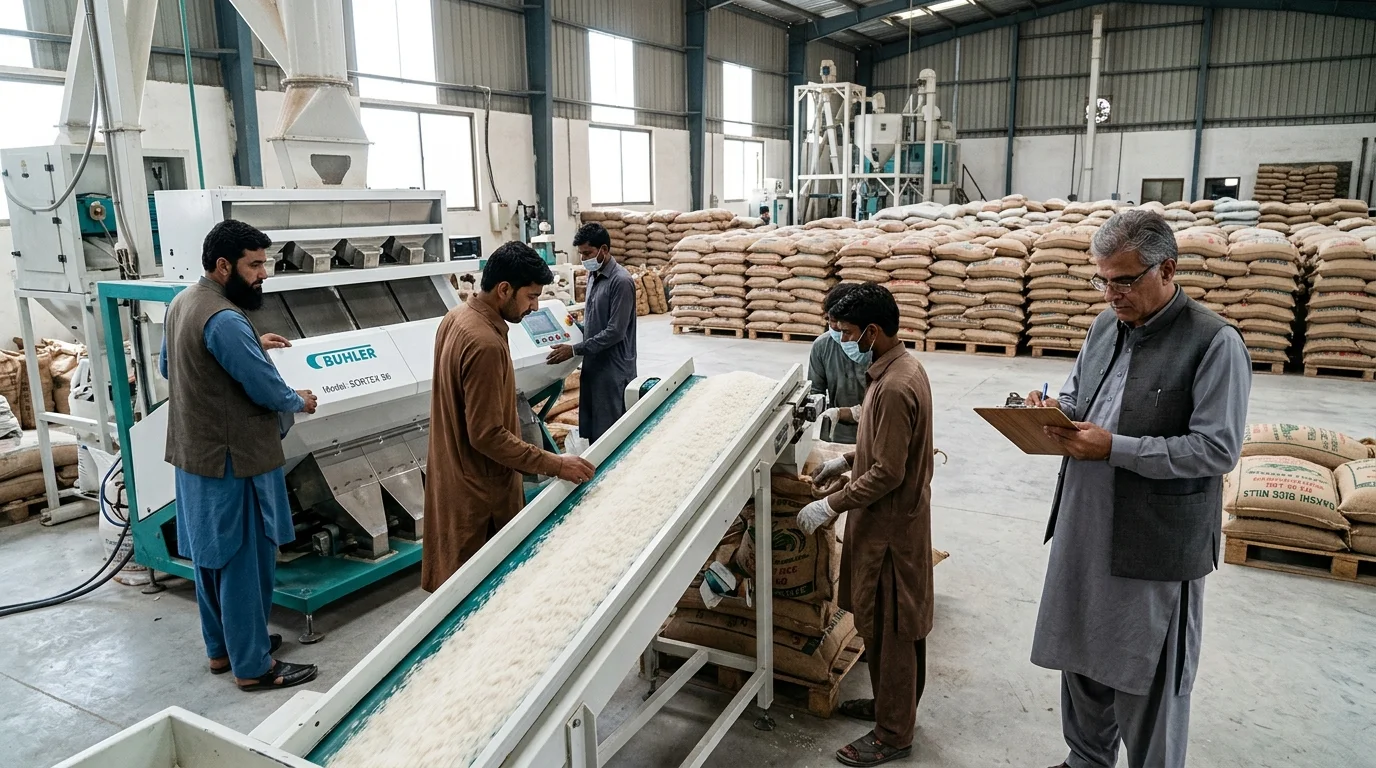
Modern suppliers use advanced technology to improve efficiency and maintain quality. This includes automated processing, digital tracking systems, and quality testing tools.
Technology helps in:
- Ensuring product consistency
- Reducing human error
- Improving supply chain visibility
Forward-thinking companies like alziaricemills.com understand the importance of innovation in maintaining a competitive edge in the global market.
9. Sustainability and Ethical Practices
Sustainability is becoming increasingly important in the agricultural industry. Buyers and consumers are now more conscious of how products are sourced and produced.
A reliable supplier should follow:
- Environmentally friendly farming practices
- Ethical labor standards
- Responsible sourcing methods
Sustainable practices not only protect the environment but also enhance brand reputation and appeal to modern consumers.
10. Long-Term Partnership Potential
Choosing a supplier is not just about short-term gains. It is about building a long-term relationship that benefits both parties.
A good supplier should:
- Be willing to grow with your business
- Adapt to changing market needs
- Offer flexibility in operations
Strong partnerships lead to better collaboration, improved efficiency, and mutual success.
Role of Digital Agencies in Supplier Branding
In today’s digital world, having a strong online presence is essential for both suppliers and buyers. This is where professional digital agencies play a key role.
Agencies like Web2F help businesses build their brand, optimize their websites for search engines, and attract international clients.
For example, a well-optimized website like alziaricemills.com can showcase product quality, certifications, and services effectively, making it easier to attract reliable suppliers and global buyers.
Digital marketing strategies such as SEO, content marketing, and link building can significantly improve visibility and credibility in the competitive agricultural market.
Conclusion
Choosing a reliable commodity supplier is a critical decision that directly impacts your business success. From product quality and pricing to logistics and communication, every factor plays an important role in building a strong and efficient supply chain.
For businesses like alziaricemills.com, working with trustworthy suppliers ensures consistent quality, timely delivery, and customer satisfaction. At the same time, leveraging digital expertise from agencies like Web2F can enhance brand visibility and create new growth opportunities.
In a rapidly evolving global market, the key to success lies in building strong partnerships, maintaining high standards, and continuously adapting to changing demands. By focusing on these key factors, you can choose the right supplier and set your business on the path to long-term success.