
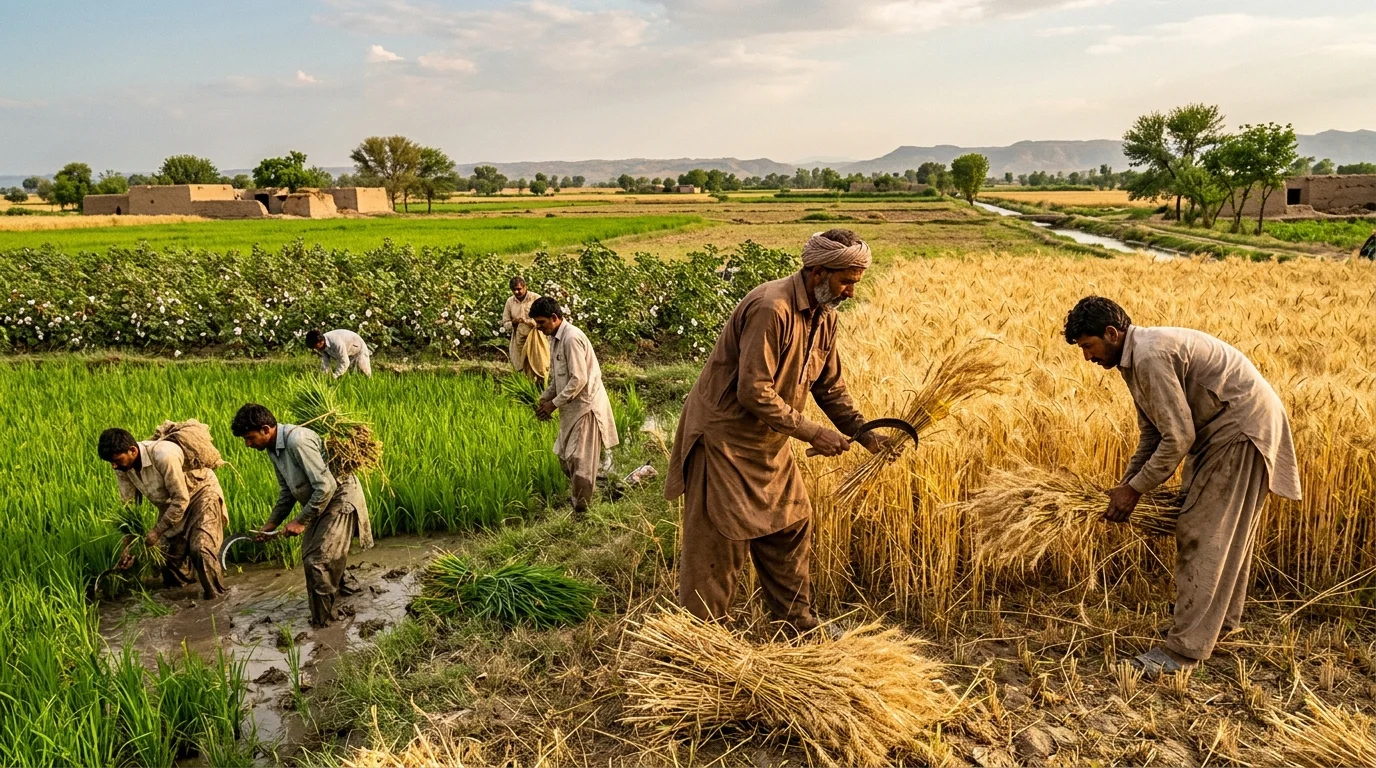
Agriculture is the backbone of many economies, especially in countries like Pakistan where farming plays a major role in food security, employment, and exports. The global demand for agricultural commodities such as rice, wheat, pulses, and cotton continues to grow as populations increase and industries expand. For businesses involved in agriculture and trade, maintaining high-quality standards is essential to remain competitive in both local and international markets.
Companies like alziaricemills.com understand that success in agricultural trade is not only about production but also about delivering consistent quality that meets global expectations. In this article, we will explore the importance of key agricultural products like rice, wheat, pulses, and cotton, and how quality impacts their value in the global supply chain.
The Role of Agriculture in Economic Growth
Agriculture is one of the most important sectors in developing economies. It provides food, raw materials, and employment to millions of people. In countries like Pakistan, agricultural products are also a major source of export earnings.
The global agricultural market is highly competitive, and only those businesses that maintain strict quality control and efficient supply chains are able to succeed. Products like rice, wheat, pulses, and cotton are not just commodities—they are essential trade assets that influence international relationships and economic stability.
Rice: A Global Staple Food
Rice is one of the most consumed food items in the world. It is a primary source of energy for billions of people, especially in Asia. Pakistan is known for producing high-quality rice varieties, including Basmati rice, which is highly demanded in international markets due to its aroma, long grain, and rich taste.
For companies like alziaricemills.com, rice is not just a product—it is a brand identity. Ensuring proper milling, polishing, and packaging is essential to maintain its quality.
The global rice market depends heavily on:
- Grain length and uniformity
- Moisture control
- Aroma retention
- Clean processing
Even small variations in quality can affect pricing and demand. That is why strict quality control systems are essential in rice production and export.
Wheat: The Foundation of Global Food Security
Wheat is another essential agricultural product that plays a major role in global food security. It is used to make flour, bread, pasta, and other food items consumed daily across the world.
Pakistan is among the top wheat-producing countries, and it plays a key role in supporting both domestic consumption and international trade.
High-quality wheat is characterized by:
- Strong protein content
- Proper grain size
- Low moisture levels
- Clean and unbroken grains
The wheat supply chain requires careful handling from harvesting to storage. Poor storage conditions can lead to spoilage and quality loss. Therefore, maintaining proper warehousing and transportation systems is critical.
Pulses: A Growing Source of Protein
Pulses such as lentils, chickpeas, and beans are becoming increasingly important in global diets. With the rising trend of healthy eating and plant-based protein, pulses are in high demand worldwide.
Pulses are not only nutritious but also beneficial for agriculture itself, as they improve soil fertility by fixing nitrogen. This makes them an environmentally friendly crop.
Key quality factors for pulses include:
- Uniform size and color
- Clean processing without impurities
- Proper drying and storage
- Absence of pests or contamination
For exporters, maintaining these standards ensures better pricing and stronger relationships with international buyers.
Cotton: The Backbone of the Textile Industry
Cotton is one of the most important cash crops in Pakistan and a major contributor to the textile industry. It is used to produce fabrics, garments, and industrial textiles that are exported worldwide.
The quality of cotton directly affects the textile production process. High-quality cotton results in better yarn strength, smoother fabric, and higher market value.
Important quality factors in cotton include:
- Fiber length and strength
- Cleanliness and purity
- Moisture control
- Color consistency
Cotton also plays a significant role in rural economies, providing income to farmers and supporting industries such as ginning, spinning, and textile manufacturing.
Importance of Quality Control in Agricultural Products
Whether it is rice, wheat, pulses, or cotton, quality control is the most important factor in agricultural trade. Without proper quality management, even the best products can lose their value in the market.
Quality control ensures:
- Consistency in product standards
- Compliance with international regulations
- Reduced post-harvest losses
- Increased customer satisfaction
Businesses like alziaricemills.com focus on maintaining strict quality standards at every stage—from sourcing raw materials to final packaging and export.
Global Demand and Export Opportunities
The global demand for agricultural products is continuously increasing. Countries around the world rely on imports of rice, wheat, pulses, and cotton to meet their domestic needs.
Pakistan has a strong position in global agricultural exports due to its fertile land and diverse crop production. However, competition is intense, and only those exporters who maintain high quality and reliability can succeed in international markets.
Export success depends on:
- Meeting international quality standards
- Efficient logistics and supply chain management
- Competitive pricing
- Strong branding and reputation
Role of Modern Technology in Agriculture
Modern technology has transformed the agricultural industry. From advanced irrigation systems to automated processing plants, technology is improving efficiency and quality.
In rice mills and processing units, machines are used for:
- Sorting grains
- Removing impurities
- Packaging finished products
- Quality testing
Similarly, digital tools help in monitoring supply chains and ensuring transparency in operations. This allows companies to maintain consistent quality and build trust with global buyers.
Sustainability in Agriculture
Sustainability is becoming increasingly important in agricultural production. Consumers and international markets now prefer products that are produced using environmentally friendly methods.
Sustainable farming practices include:
- Reduced use of chemicals
- Efficient water management
- Soil conservation techniques
- Ethical labor practices
By adopting sustainable methods, agricultural businesses can improve their long-term productivity while also protecting the environment.
Conclusion
Agricultural products like rice, wheat, pulses, and cotton are essential components of global trade and food security. Their importance goes beyond farming—they represent economic stability, international trade opportunities, and sustainable development.
For companies like alziaricemills.com, maintaining high-quality standards in rice and other agricultural commodities is key to building a strong global presence. At the same time, focusing on efficiency, sustainability, and innovation ensures long-term success in a highly competitive market.
In today’s global economy, quality is not just a requirement—it is the foundation of trust, growth, and success in agricultural trade.