
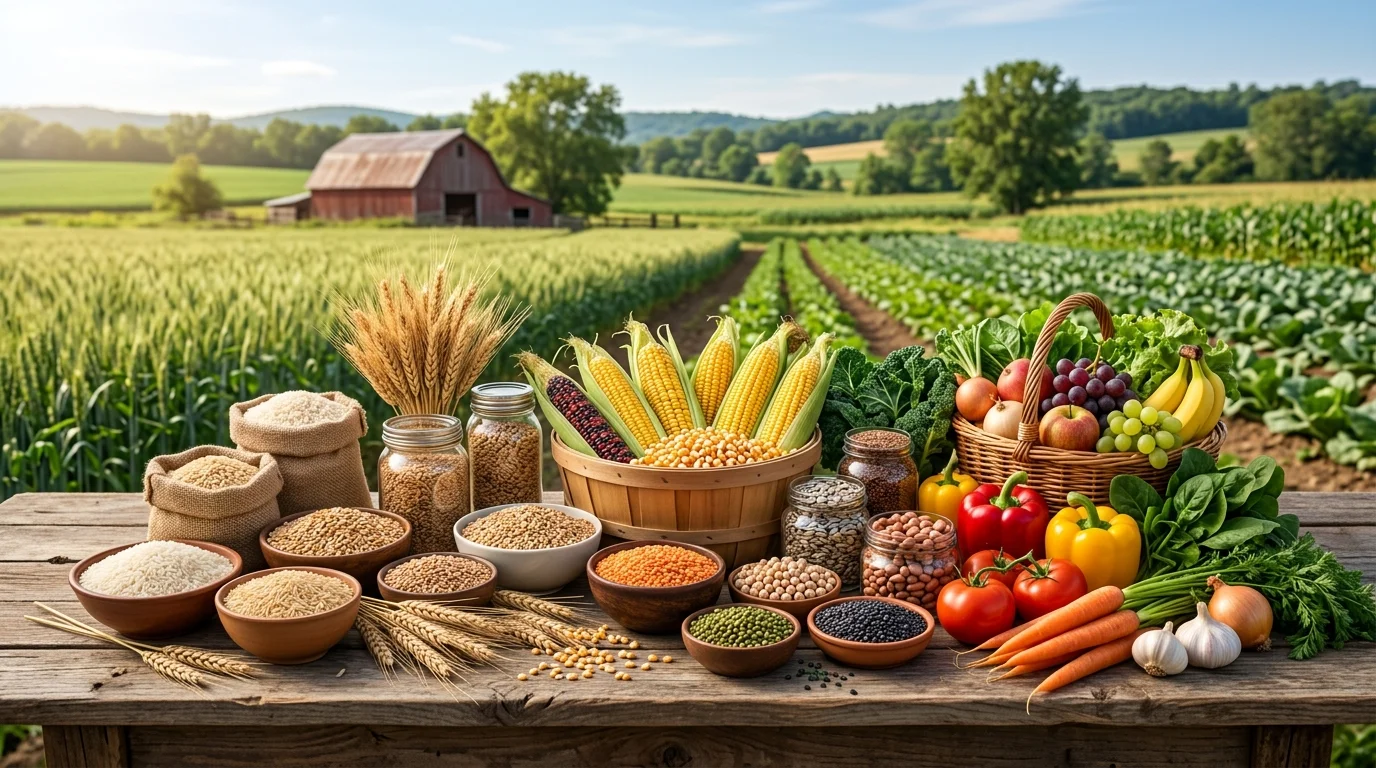
Agricultural commodities form the backbone of global trade and food security. From the grains we consume daily to the raw materials used in industries, these commodities play a vital role in sustaining economies and livelihoods. For businesses like Al Zia Rice Mills, understanding different types of agricultural commodities is essential not only for production but also for market positioning, export strategies, and long-term growth.
In this article, we will explore the various types of agricultural commodities, their classifications, importance, and how they impact both local and global markets.
What Are Agricultural Commodities?
Agricultural commodities are basic goods that are grown or produced through farming and agricultural activities. These products are typically used as food, raw materials, or inputs for other industries. They are often traded in bulk and are standardized in quality, making them suitable for global trade.
These commodities are generally divided into two major categories: soft commodities and staple commodities, depending on their use and nature.
Major Types of Agricultural Commodities
1. Grains and Cereals
Grains are among the most important agricultural commodities worldwide. They serve as staple foods for billions of people and are also used as animal feed.
Common examples include:
- Rice
- Wheat
- Corn (Maize)
- Barley
Rice, in particular, holds significant importance in countries like Pakistan. It is not only a primary food source but also a major export product. High-quality rice varieties, such as Basmati, are in demand globally due to their aroma, taste, and nutritional value.
Grains are rich in carbohydrates and are essential for energy, making them a cornerstone of global food security.
2. Pulses and Legumes
Pulses are another essential category of agricultural commodities. They are known for their high protein content and are a key part of vegetarian diets.
Examples include:
- Lentils
- Chickpeas
- Beans
- Peas
Pulses improve soil fertility by fixing nitrogen, making them beneficial for sustainable farming practices. They are also increasingly popular in international markets due to the rising demand for plant-based protein.
3. Oilseeds
Oilseeds are crops grown primarily for extracting oil. These oils are used in cooking, food processing, cosmetics, and industrial applications.
Common oilseeds include:
- Soybeans
- Sunflower seeds
- Canola
- Mustard seeds
Oilseeds are crucial for both domestic consumption and export markets. The global demand for edible oils continues to rise, making this category highly valuable.
4. Fruits and Vegetables
Fruits and vegetables are perishable agricultural commodities that are rich in vitamins, minerals, and fiber. They are essential for a healthy diet and are widely consumed worldwide.
Examples include:
- Mangoes
- Apples
- Potatoes
- Tomatoes
- Onions
Due to their perishable nature, proper storage, transportation, and supply chain management are critical. Exporting fresh produce requires strict quality standards and efficient logistics.
5. Cash Crops
Cash crops are grown primarily for sale rather than personal consumption. These crops are often exported and contribute significantly to a country’s economy.
Examples include:
- Cotton
- Sugarcane
- Tobacco
- Coffee
- Tea
Cotton, for example, is a key agricultural commodity in Pakistan and plays a major role in the textile industry. Cash crops are typically influenced by global market prices and demand trends.
6. Livestock and Animal Products
Although often considered separately, livestock and animal-based products are also part of agricultural commodities.
These include:
- Meat
- Milk
- Eggs
- Leather
Livestock farming contributes significantly to rural economies and provides essential nutrients. It also supports related industries such as dairy processing and meat exports.
7. Spices and Herbs
Spices and herbs are high-value agricultural commodities that are used for flavoring, medicinal purposes, and food preservation.
Examples include:
- Turmeric
- Black pepper
- Cumin
- Coriander
These commodities are often exported due to their strong demand in international markets. They require careful processing and packaging to maintain quality.
Importance of Agricultural Commodities
Agricultural commodities are essential for multiple reasons:
1. Food Security
They ensure a stable food supply for growing populations.
2. Economic Growth
Agriculture contributes significantly to GDP in many countries and provides employment to millions of people.
3. International Trade
Many countries rely on exporting agricultural commodities to earn foreign exchange.
4. Industrial Use
Several industries depend on agricultural raw materials, such as textiles, food processing, and pharmaceuticals.
Factors Affecting Agricultural Commodities
The production and pricing of agricultural commodities are influenced by several factors:
Climate and Weather
Unpredictable weather conditions can impact crop yields and quality.
Supply and Demand
Market prices fluctuate based on availability and consumer demand.
Government Policies
Subsidies, tariffs, and trade regulations play a major role in shaping the agricultural sector.
Technology
Modern farming techniques, machinery, and irrigation systems improve productivity and efficiency.
Role of Rice Mills in Agricultural Commodities
Rice mills, such as Al Zia Rice Mills, play a crucial role in the agricultural supply chain. They are responsible for processing raw paddy into consumable rice while maintaining quality standards.
Key responsibilities include:
- Cleaning and milling rice
- Ensuring quality control
- Packaging and branding
- Exporting to international markets
Modern rice mills use advanced technology to enhance efficiency and produce premium-quality rice that meets global standards.
Global Market Trends in Agricultural Commodities
The agricultural commodities market is evolving rapidly due to changing consumer preferences and technological advancements.
Growing Demand for Organic Products
Consumers are increasingly choosing organic and chemical-free food products.
Rise of Sustainable Farming
Eco-friendly farming practices are gaining popularity to protect the environment.
Digital Agriculture
Technology such as AI, drones, and data analytics is transforming farming methods.
Export Opportunities
Countries with strong agricultural sectors are expanding their presence in international markets.
Conclusion
Understanding different types of agricultural commodities is essential for anyone involved in farming, processing, or trading. From grains and pulses to cash crops and livestock, each category plays a unique role in the global economy.
For businesses like Al Zia Rice Mills, having in-depth knowledge of these commodities helps in maintaining quality, meeting market demands, and staying competitive in the global market.
As the world continues to grow and evolve, agricultural commodities will remain a key pillar of economic development and food security. Investing in quality production, modern technology, and sustainable practices will ensure long-term success in this ever-important sector.